
1. Introduction to AI in Education
1.1. Definition and brief history of AI in education
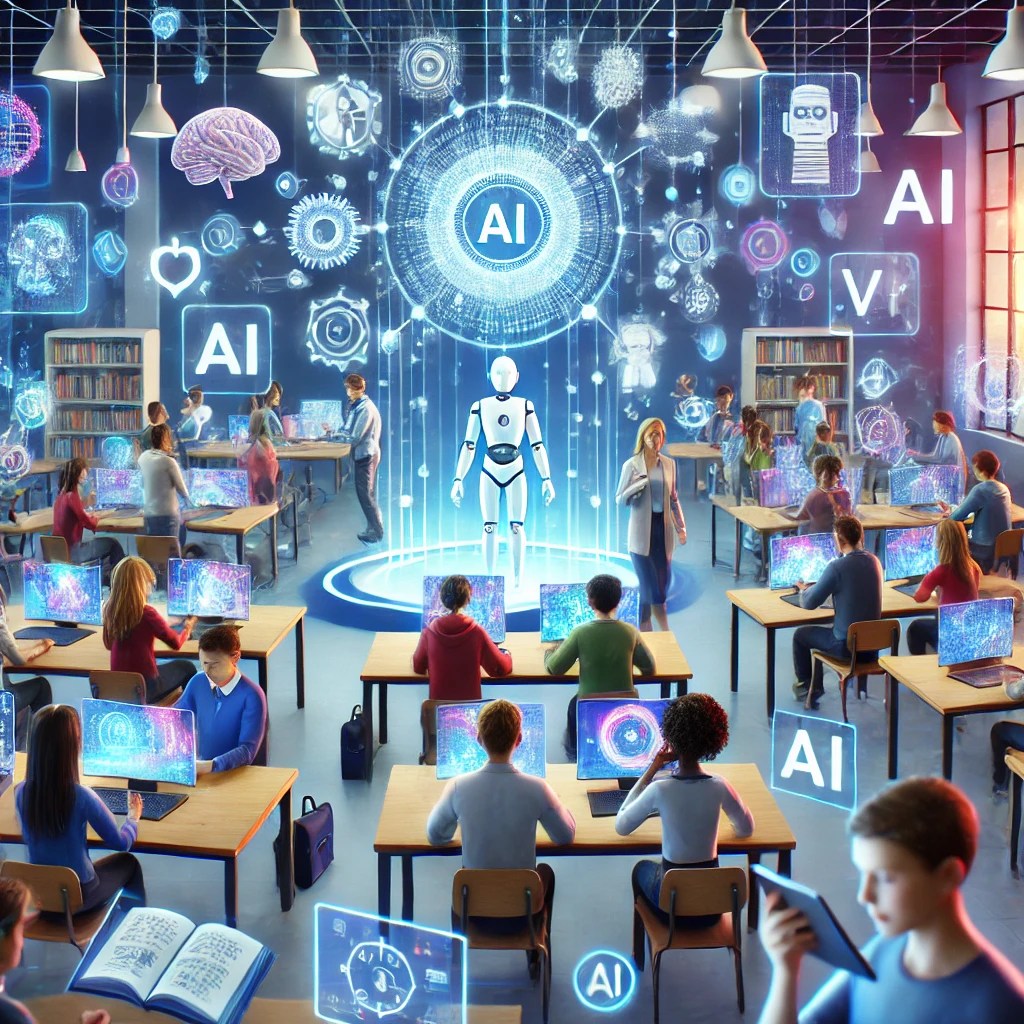
Artificial Intelligence (AI) in education refers to the use of intelligent computer systems to enhance learning experiences. The concept dates back to the 1970s when researchers began exploring how computers could assist in teaching and learning. Over the years, AI has evolved from simple programmed instruction to sophisticated adaptive learning systems.
1.2. The growing importance of AI in modern learning environments
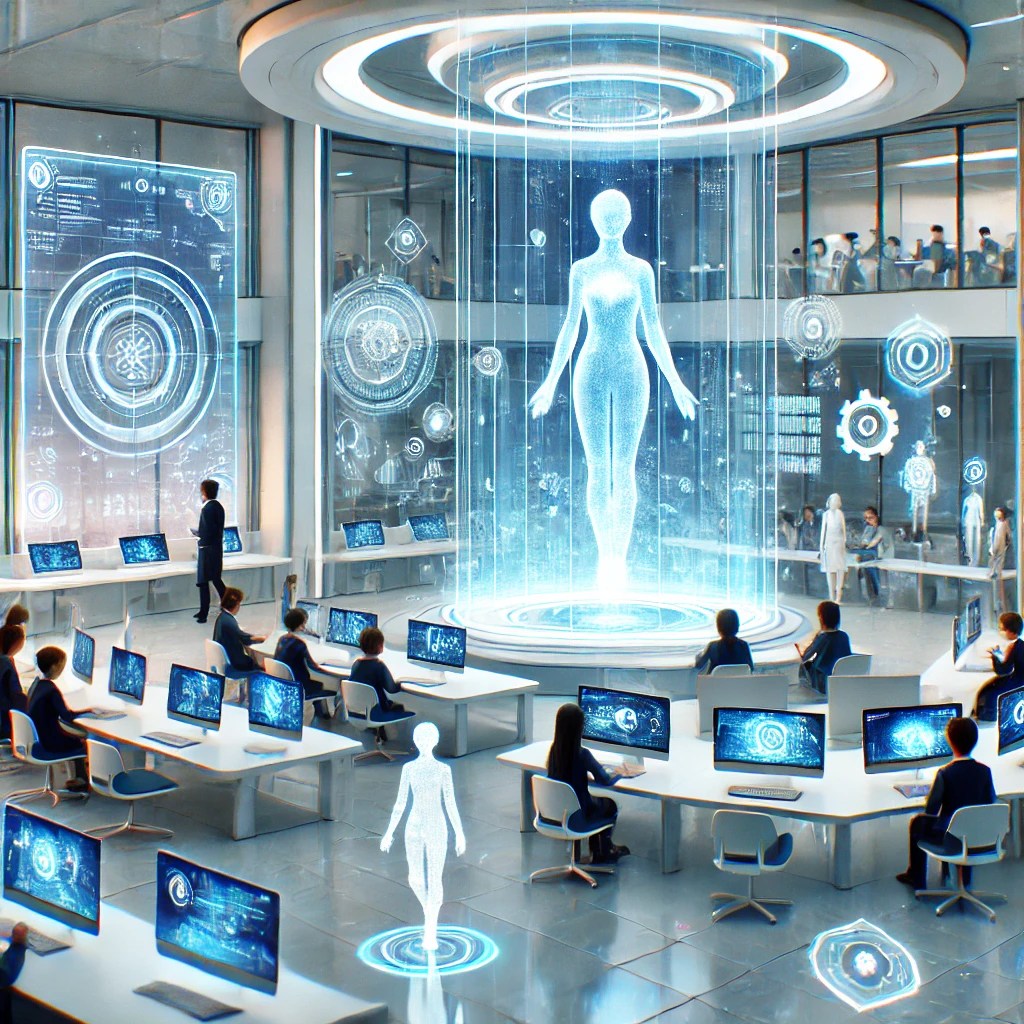
As technology advances, AI is becoming increasingly important in education. Schools and universities are adopting AI-powered tools to improve teaching methods, personalize learning, and streamline administrative tasks. This shift is driven by the need to prepare students for a rapidly changing, technology-driven world.
1.3. Key benefits and potential challenges
AI in education offers numerous benefits, including personalized learning experiences, improved accessibility, and enhanced administrative efficiency. However, it also presents challenges such as data privacy concerns, the need for teacher training, and ensuring equitable access to technology.
2. Personalized Learning Experiences
2.1. AI-powered adaptive learning platforms
Adaptive learning platforms use AI to tailor educational content to each student’s needs. These systems analyze a student’s performance and adjust the difficulty and type of content accordingly. For example, if a student struggles with fractions, the system might provide additional practice problems or explanatory videos.

2.2. Customized curriculum and content recommendations
AI algorithms can analyze a student’s learning style, interests, and performance to recommend relevant educational materials. This could include suggesting specific books, videos, or interactive exercises that align with the student’s learning goals and preferences.
2.3. Real-time progress tracking and performance analysis
AI-powered systems can continuously monitor student progress, providing real-time feedback to both students and teachers. This allows for timely interventions and adjustments to learning strategies.
3. Intelligent Tutoring Systems
3.1. AI-driven virtual tutors and chatbots
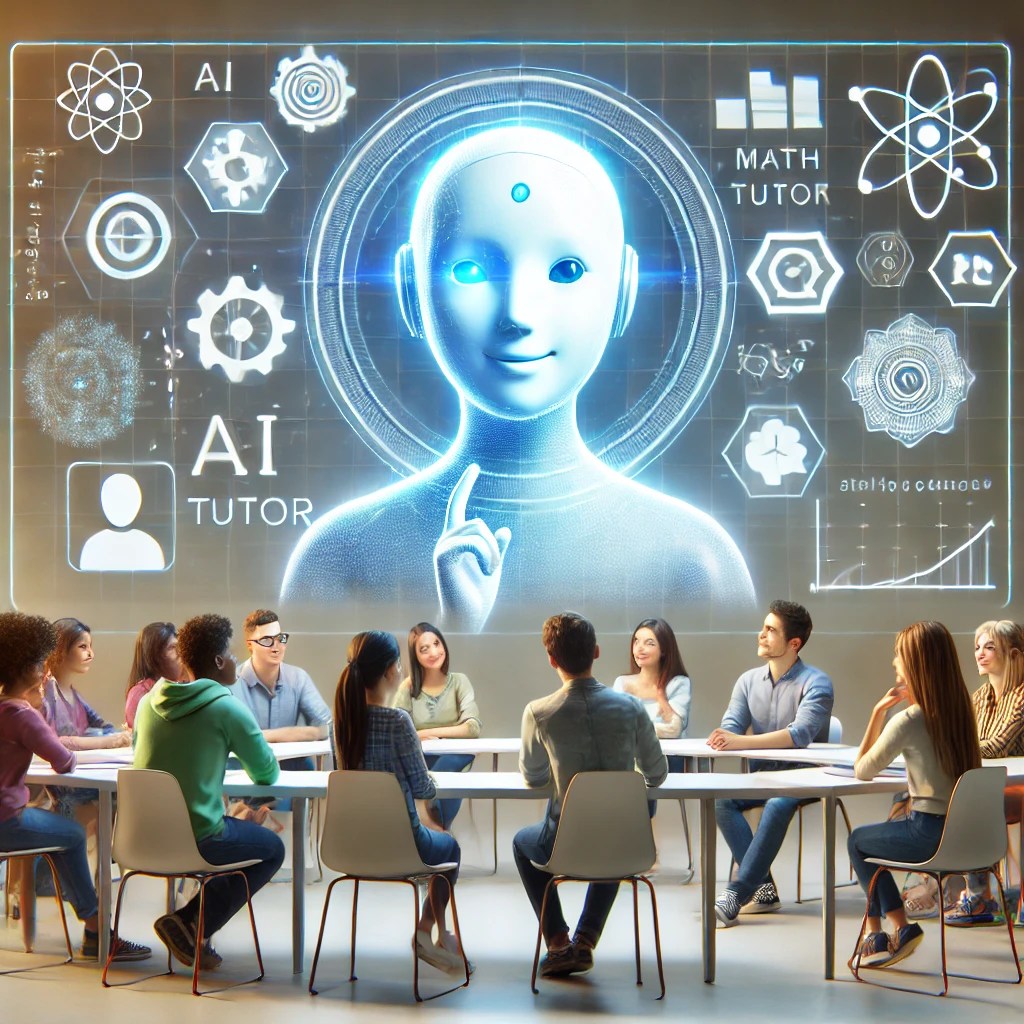
Virtual tutors and chatbots can provide 24/7 support to students, answering questions and offering explanations on various subjects. These AI assistants can help students with homework, clarify concepts, and provide additional resources.
3.2. Natural language processing for student-tutor interactions
Natural Language Processing (NLP) enables AI tutors to understand and respond to students’ questions in a more human-like manner. This technology allows for more natural and engaging interactions between students and AI tutors.
3.3. Automated feedback and guidance
AI systems can provide instant feedback on assignments and assessments, highlighting areas for improvement and offering personalized guidance. This immediate feedback loop can help students learn from their mistakes more quickly.
4. Administrative Efficiency and Support
4.1. AI-assisted grading and assessment
AI can automate the grading process for many types of assignments, from multiple-choice tests to essays. This frees up teachers’ time, allowing them to focus on more complex aspects of education.
4.2. Predictive analytics for student success and retention
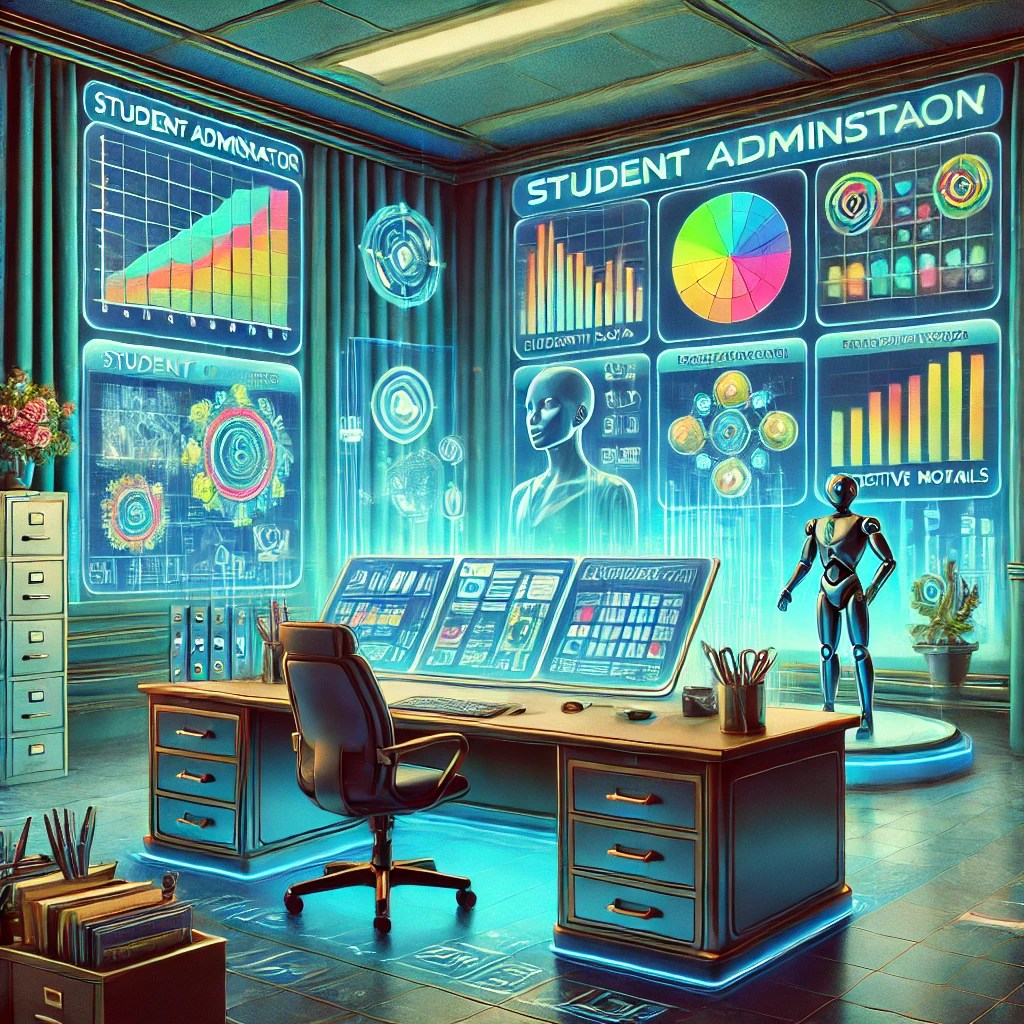
By analyzing data on student performance, attendance, and engagement, AI can predict which students are at risk of falling behind or dropping out. This allows schools to intervene early and provide targeted support.
4.3. Streamlining administrative tasks and resource allocation
AI can help optimize school operations by automating routine administrative tasks, managing schedules, and predicting resource needs. This can lead to more efficient use of time and resources in educational institutions.
5. Accessibility and Inclusivity
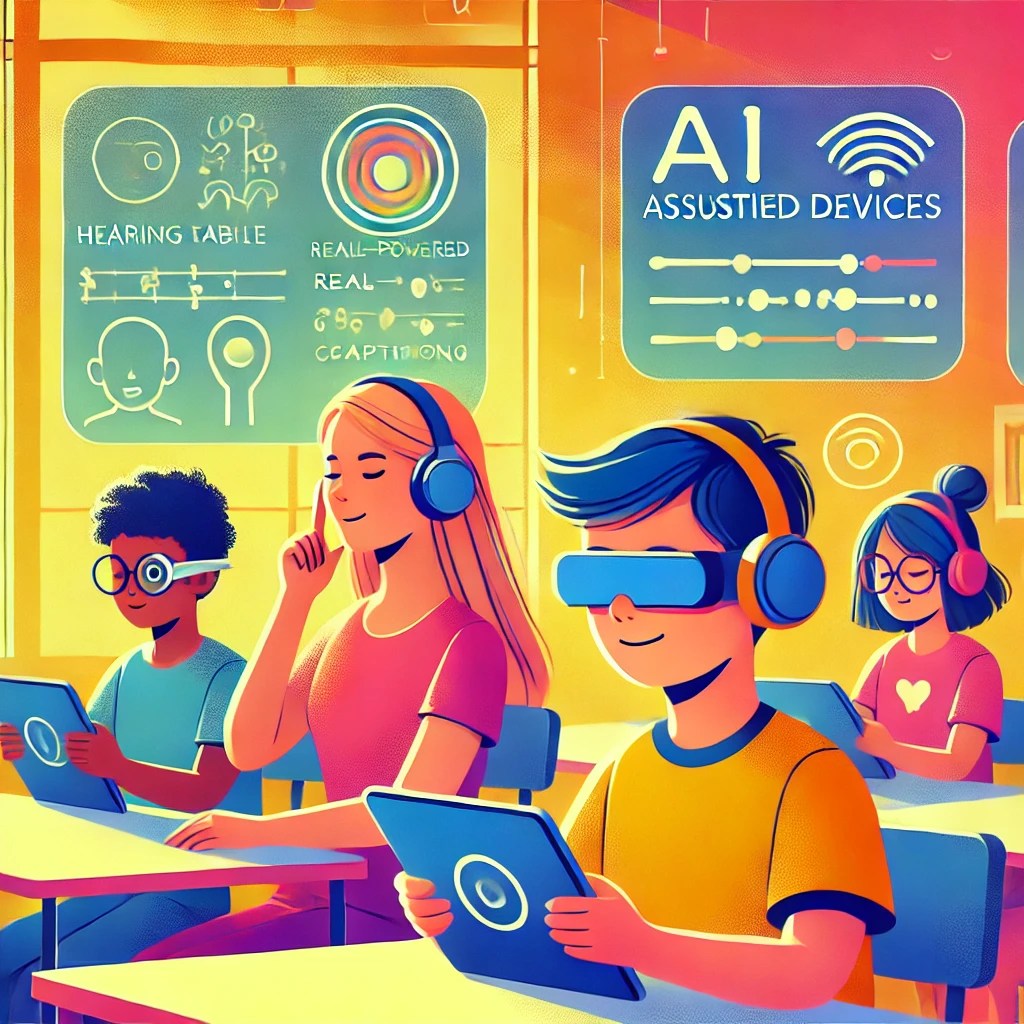
5.1. AI-powered tools for students with disabilities
AI technologies like text-to-speech, speech recognition, and image description can make educational content more accessible to students with visual, auditory, or learning disabilities.
5.2. Language translation and localization of educational content
AI-powered translation tools can help break down language barriers in education, making content available to students around the world in their native languages.
5.3. Bridging educational gaps in underserved communities
AI can help address educational inequalities by providing quality learning resources and personalized instruction to students in remote or underserved areas through online platforms and mobile applications.
6. Preparing Students for the AI-Driven Future
6.1. Integrating AI and machine learning concepts into curricula
Schools are beginning to introduce AI and machine learning concepts into their curricula, helping students understand the basics of these technologies and their applications.
6.2. Developing critical thinking and problem-solving skills
As AI takes over routine tasks, there’s an increased focus on developing skills that are uniquely human, such as critical thinking, creativity, and complex problem-solving.
6.3. Ethical considerations and responsible AI use
It’s crucial to teach students about the ethical implications of AI, including issues of bias, privacy, and the potential societal impacts of AI technologies.
7. Conclusion
7.1. Summary of AI’s impact on education
AI is transforming education by personalizing learning experiences, improving accessibility, and enhancing administrative efficiency. It’s changing the way we teach and learn, preparing students for a future where AI will play a significant role.
7.2. Future prospects and emerging trends
The future of AI in education looks promising, with potential developments in virtual reality learning environments, more sophisticated AI tutors, and AI-driven curriculum design.
7.3. Balancing technology with human touch in education
While AI offers many benefits, it’s important to remember that human interaction and guidance remain crucial in education. The goal is to use AI as a tool to enhance, not replace, the role of teachers and the importance of human connection in learning.
8. FAQs
- What is the role of teachers in an AI-enhanced classroom?
Teachers in AI-enhanced classrooms focus on providing emotional support, fostering critical thinking, and guiding students in their learning journey. They use AI tools to complement their teaching and provide more personalized attention to students.
- How can schools ensure data privacy and security when using AI?
Schools can protect data privacy by implementing strong security measures, adhering to data protection regulations, and being transparent about data collection and use. It’s important to work with reputable AI providers who prioritize data security.
- Are there any potential drawbacks to using AI in education?
Potential drawbacks include over-reliance on technology, the digital divide potentially widening educational gaps, and the challenge of maintaining a human touch in education. It’s important to address these concerns as AI is integrated into educational systems.
- How can AI help address the global education gap?
AI can help address the global education gap by providing access to quality educational resources and personalized learning experiences to students in underserved areas through online platforms and mobile applications.
- What skills should educators develop to effectively use AI in their teaching?
Educators should develop digital literacy skills, understand the basics of AI and data analysis, and learn how to integrate AI tools into their teaching methods. They should also focus on developing skills that complement AI, such as emotional intelligence and creative problem-solving.
 DigiDARA Technologies
Leave a comment